What will it take for Europe to turn world-class AI research into real-world innovation?
This question shaped AI26 – The Lamarr Conference, bringing together leading voices from research, industry and policy to discuss the future of artificial intelligence in Europe. Prof. Dr. Stefan Wrobel, Dr. Jarek Kutyłowski, Romina Medici, Prof. Dr. Christian Bauckhage, Prof. Dr. Jakob Rehof and Ina Brandes, Minister for Culture and Science of the State of North Rhine-Westphalia share a common conviction: Europe already has the scientific excellence—it now needs to accelerate the translation of AI research into trusted applications, innovation and sustainable value creation.
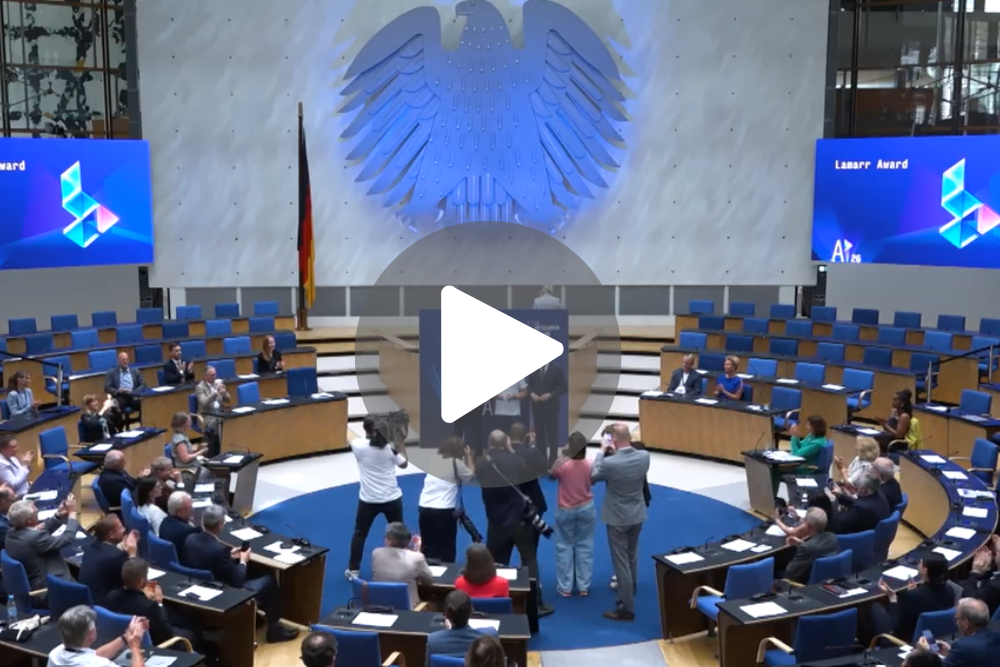
They reflect together on the opportunities and challenges ahead: from strengthening Europe’s AI ecosystem and scaling innovation responsibly to advancing agentic AI, fostering technology transfer and ensuring that AI delivers measurable value for industry, healthcare and society.
Across all perspectives, one message stands out: progress in AI depends on collaboration—between research, industry and policymakers. As Lamarr Co-Director Prof. Dr. Stefan Wrobel points out, cutting-edge research alone is not enough. Lasting impact is created when excellent science is connected with strong partnerships, technology transfer and practical implementation. This idea also resonates with Dr. Jarek Kutyłowski, who underlines that Europe has already demonstrated its ability to develop globally competitive AI and that the next challenge is to scale this success while staying true to European values. Minister for Culture and Science Ina Brandes emphasizes that close collaboration between research, industry and policymakers is indispensable for strengthening scientific excellence, technological sovereignty and sustainable innovation.Whether discussing industrial AI, next-generation AI systems or Europe’s innovation ecosystem, the video reflects the central ambition of AI26: bridging the gap between world-class AI research and real-world impact.